

Naturalization and sustainable gardening for living spaces
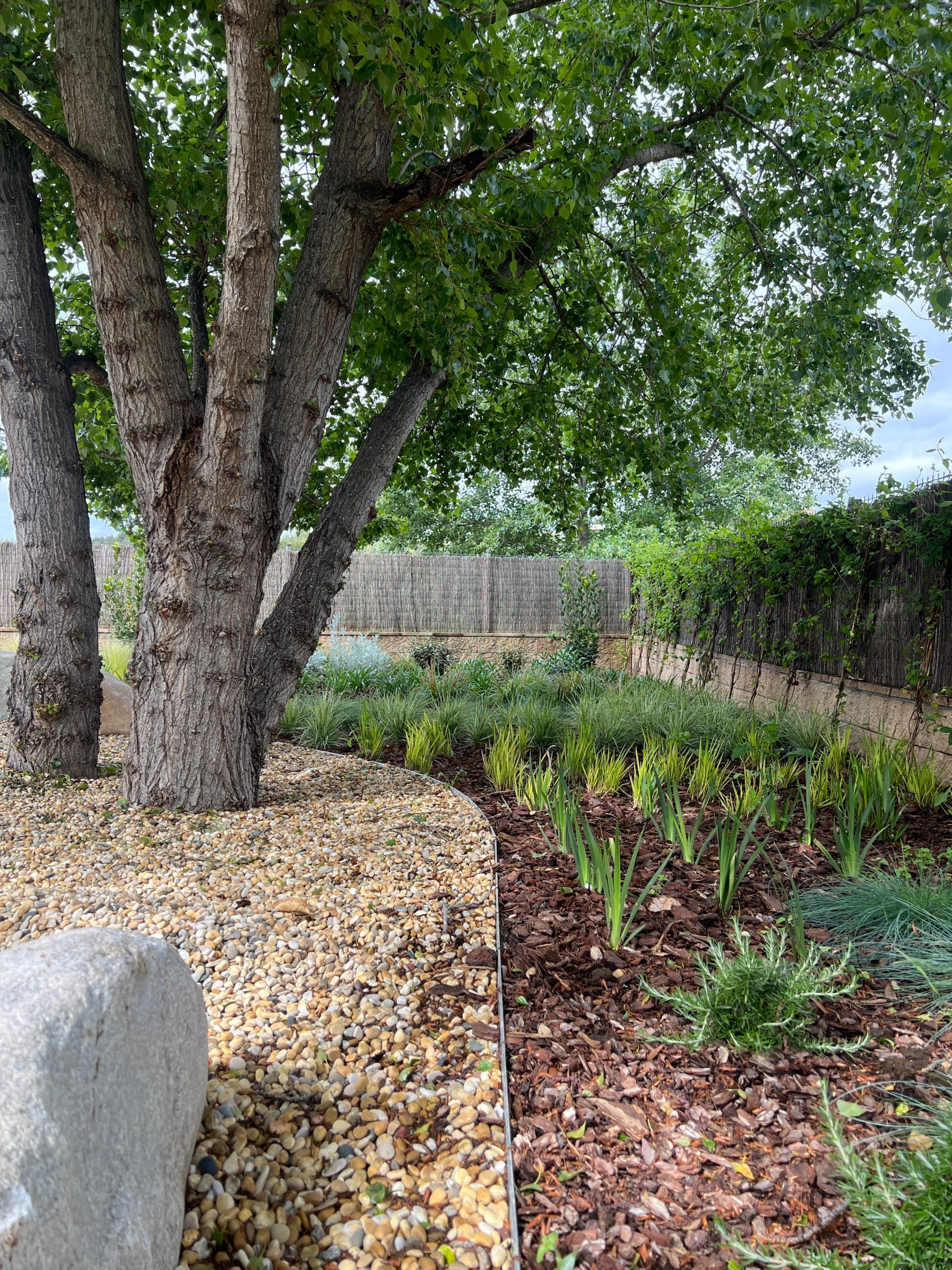
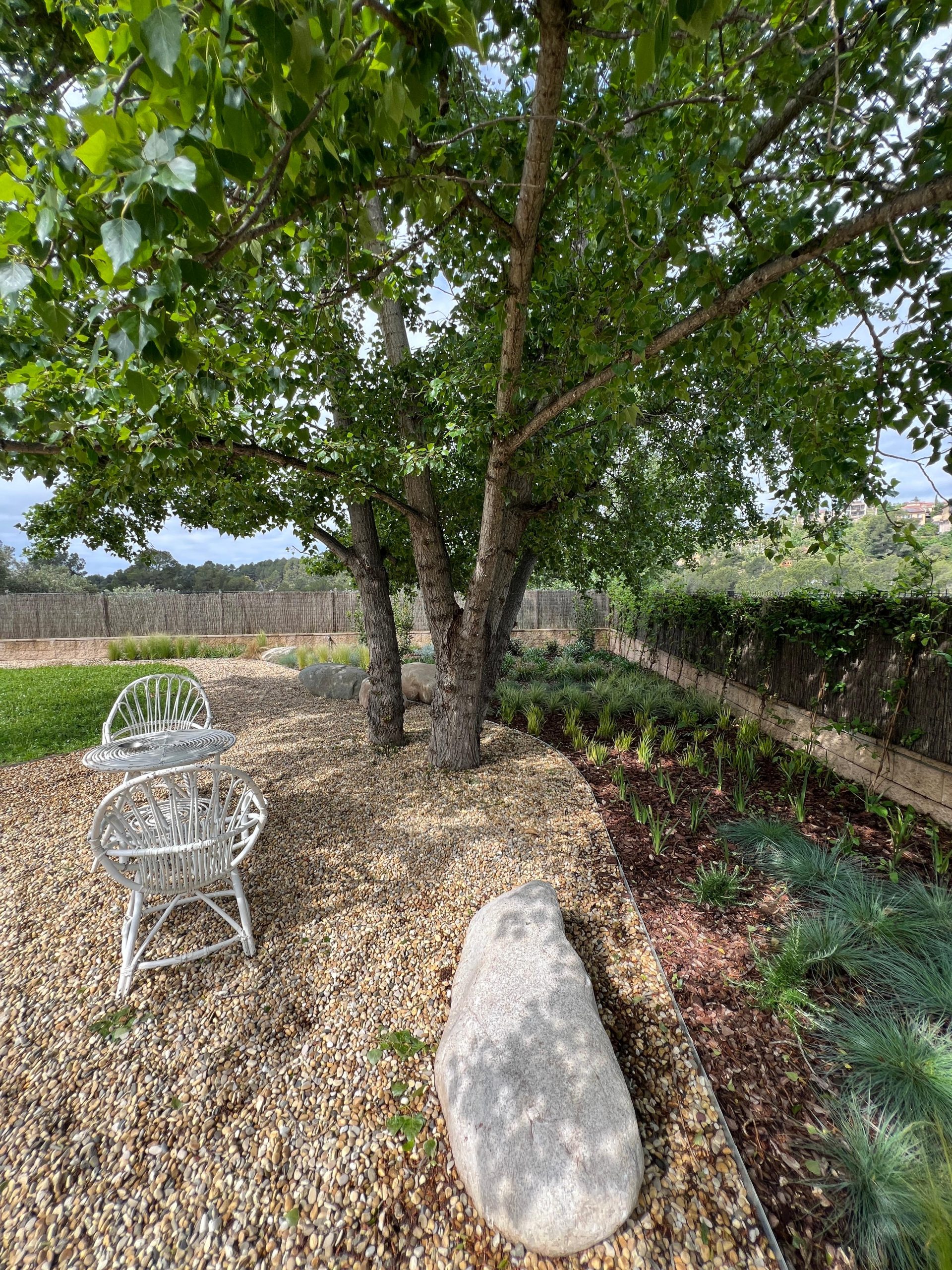
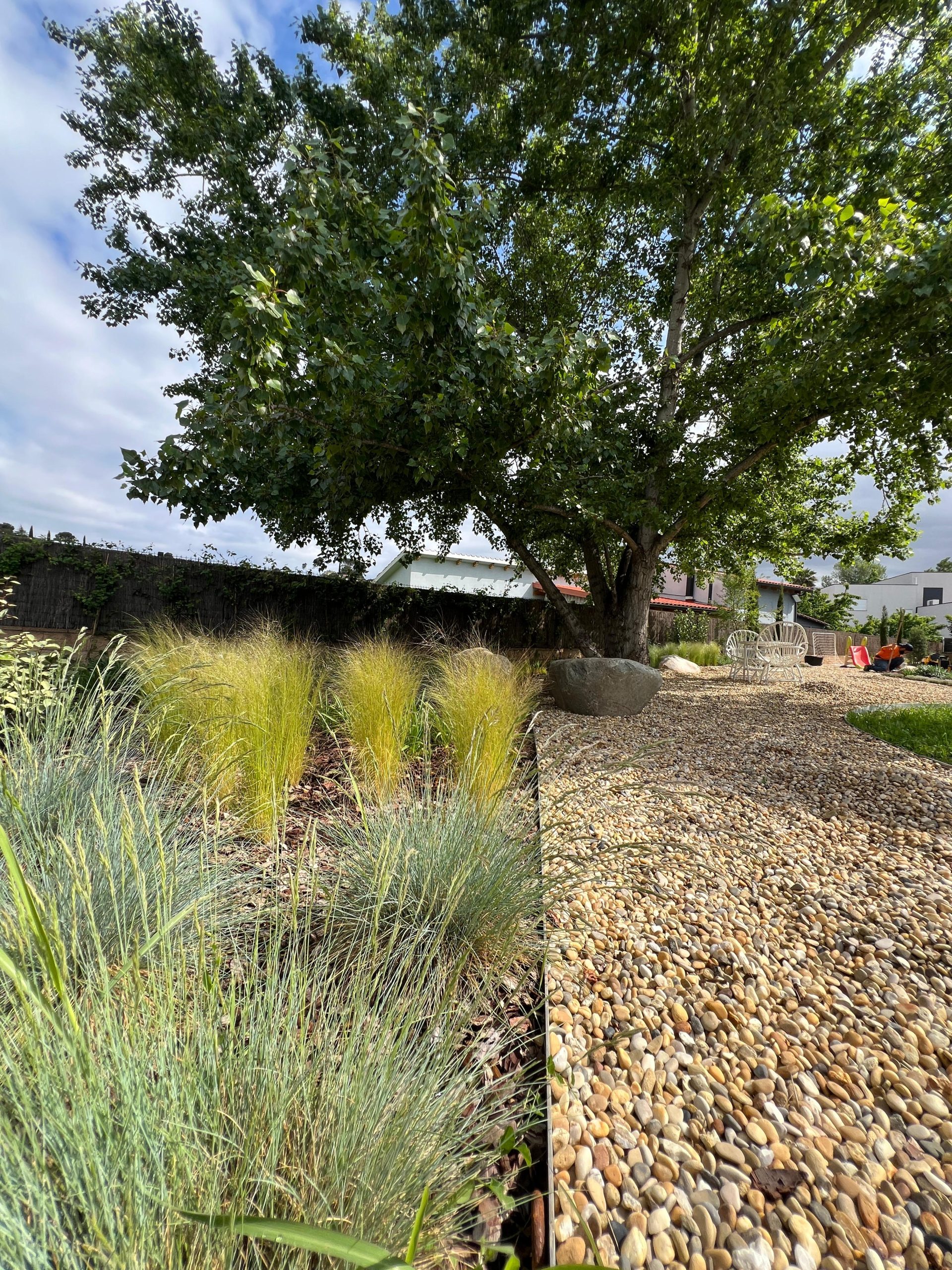
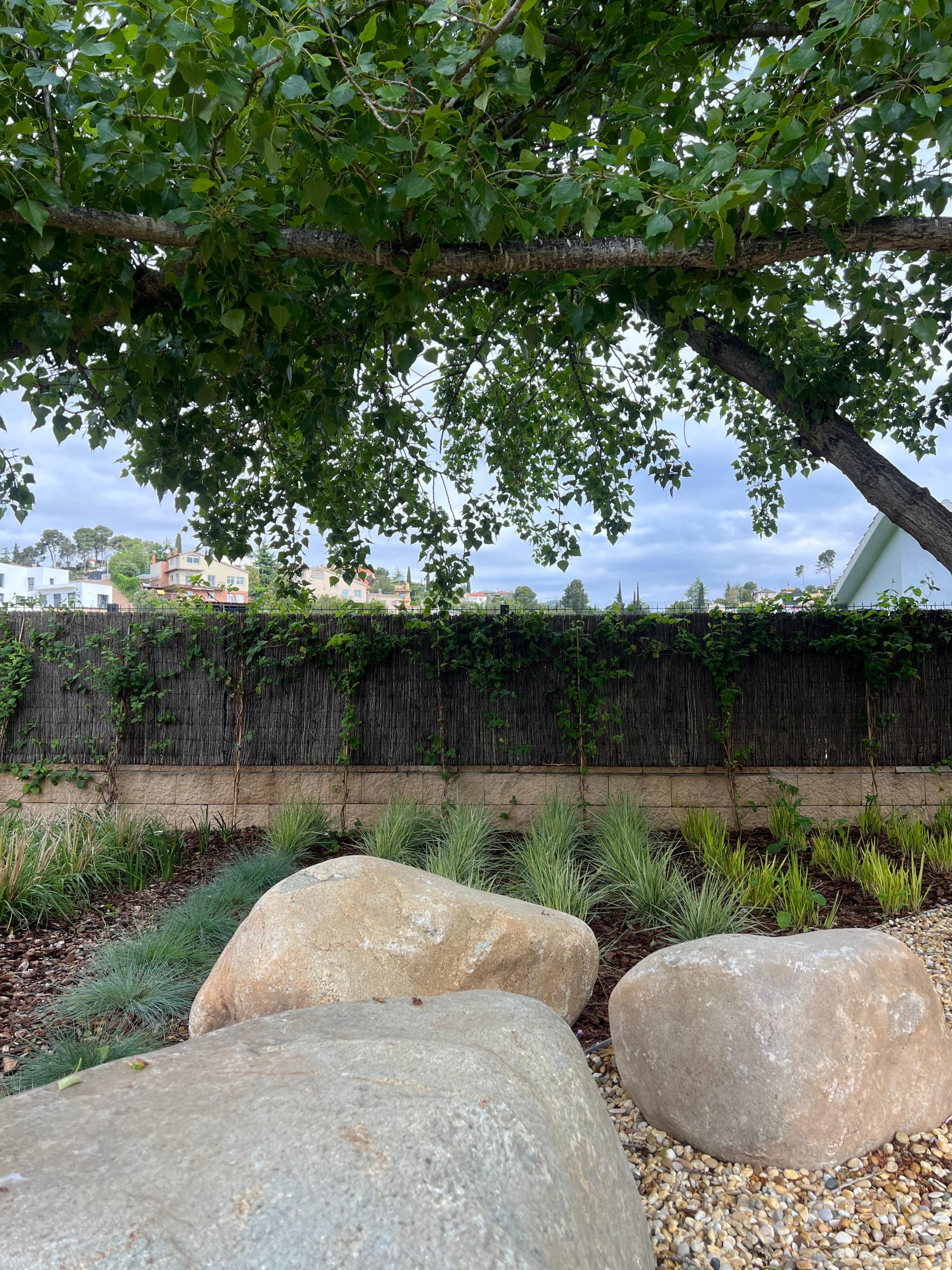
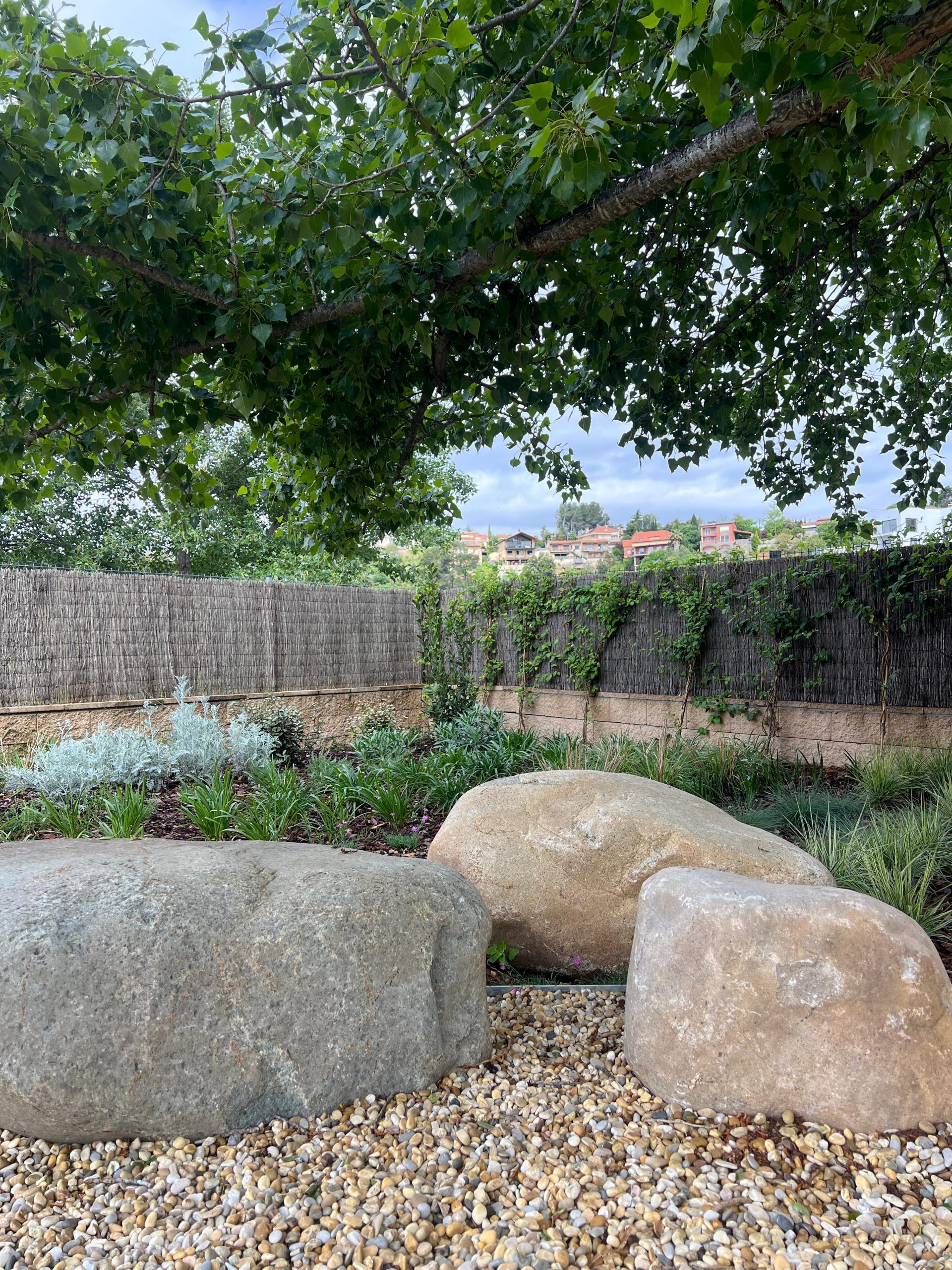
The Viladecavalls garden stands as a model of landscape intervention focused on the humanization of outdoor spaces, with the aim of transforming the environment into a refuge of calm, well-being and connection with nature. This project has been conceived as an aesthetic and functional response to the challenges of sustainability, biodiversity and emotional comfort, especially in urban and peri-urban contexts.
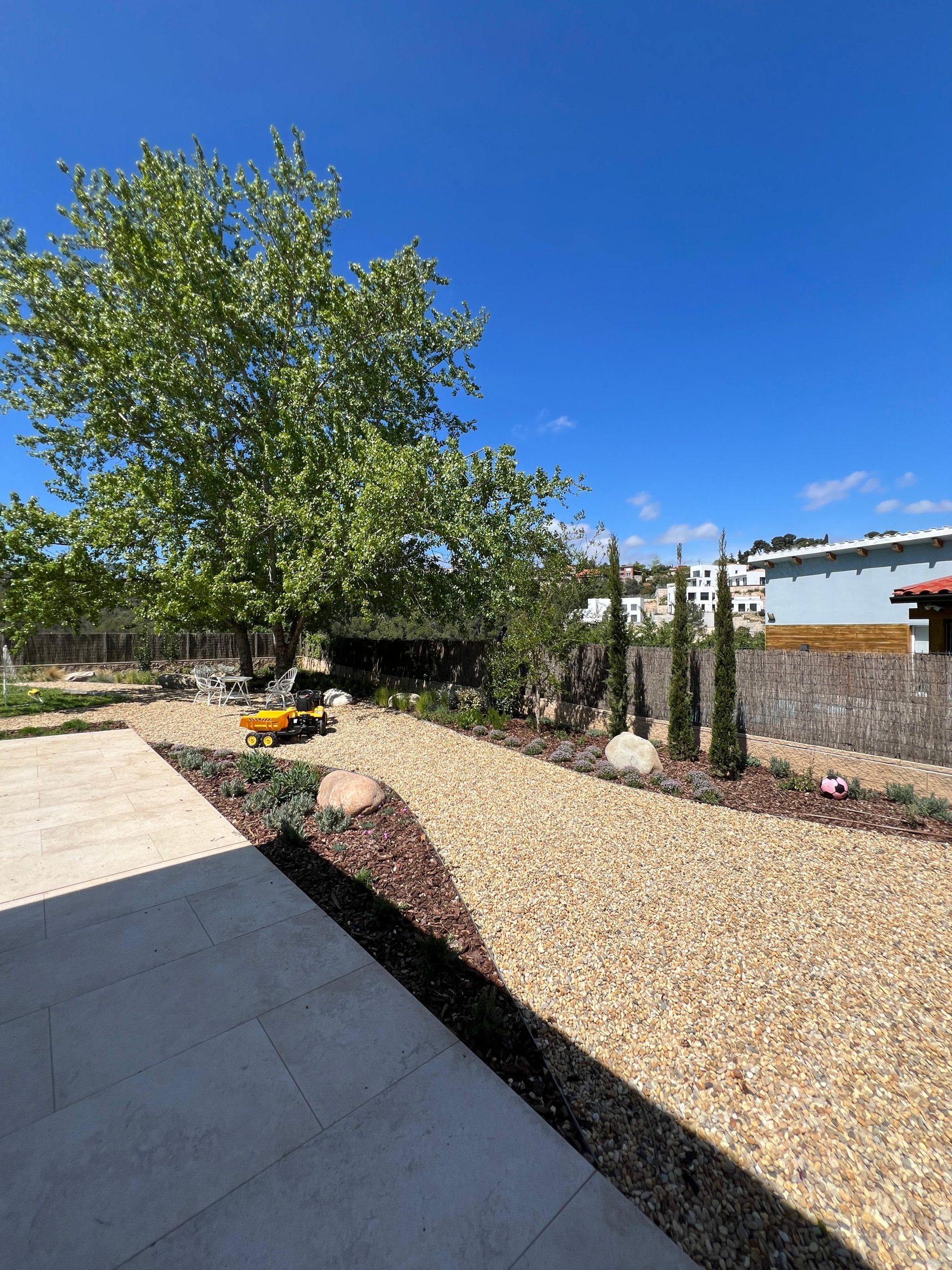
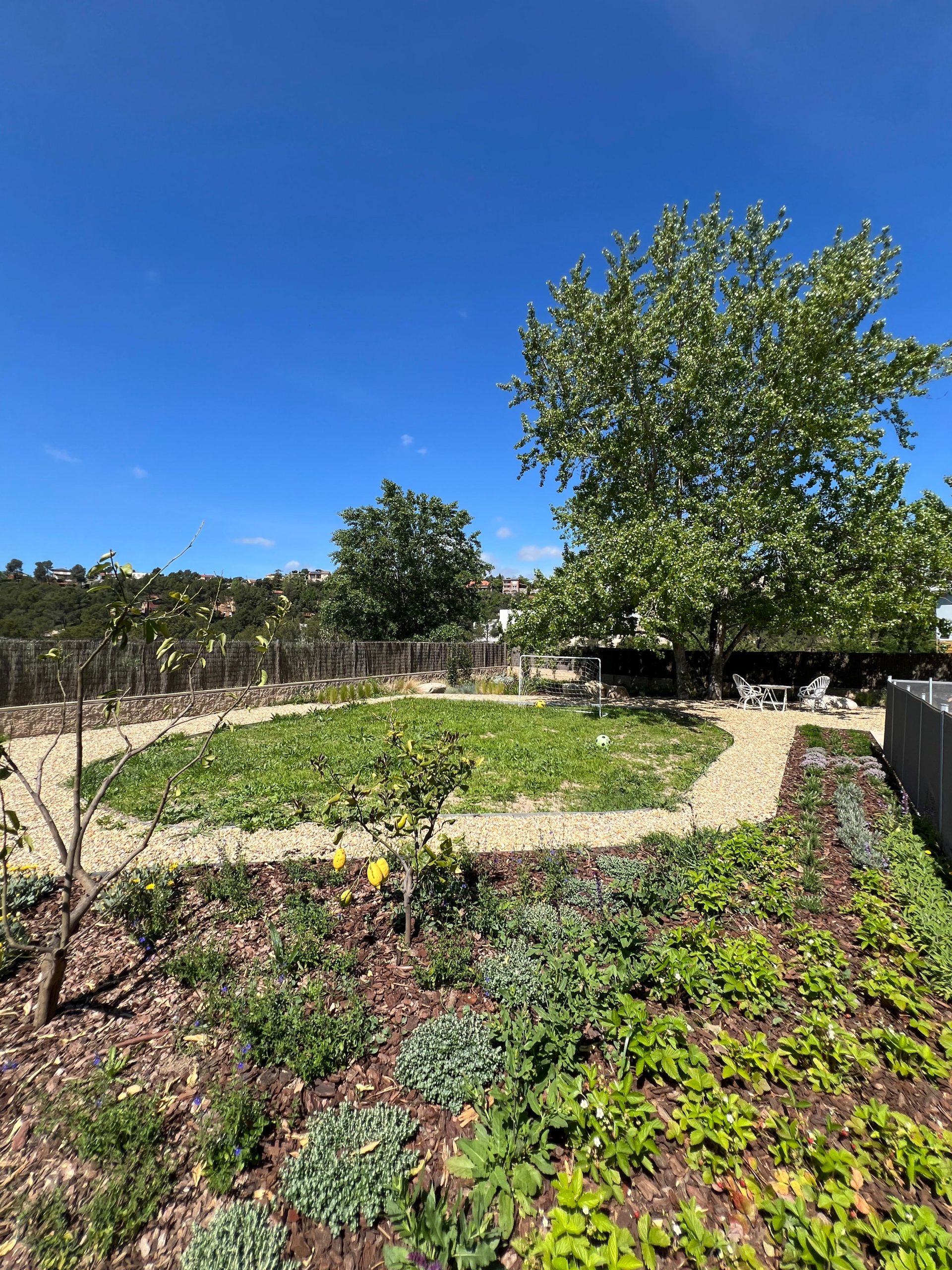
The space has been designed with a clear desire for scale reduction, through a plant composition that invites a more intimate relationship with the natural environment. Each corner has been designed to generate a fluid, accessible and integrated environment, promoting an organic relationship between the user and the landscape.
Contact us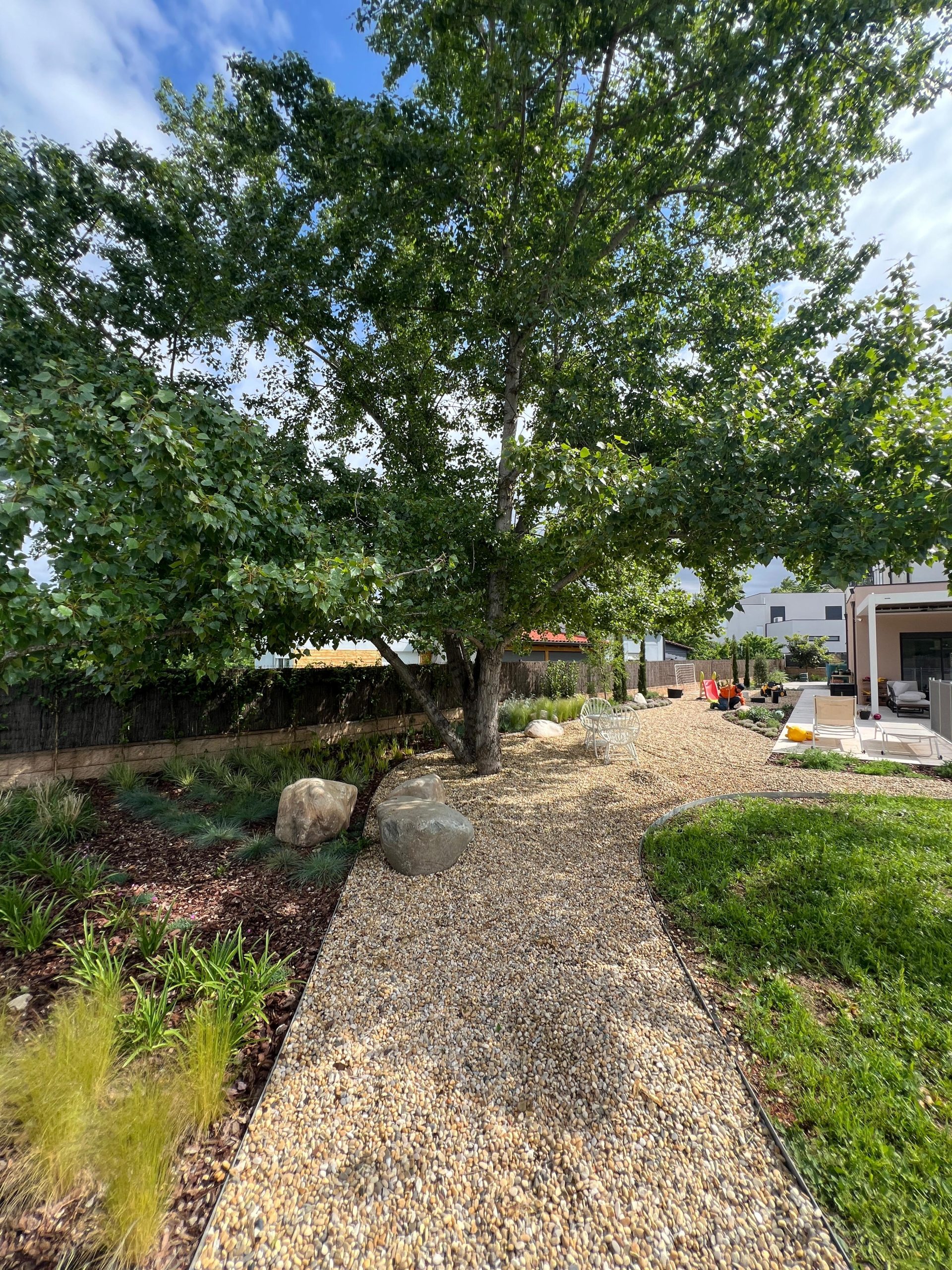
Proposal description
OBJECTIVES
-
Foster an emotional connection with the natural environment.
-
Promote biodiversity with native species.
-
Reduce environmental impact through sustainable gardening techniques.
-
Guarantee accessibility, visual order and user comfort.
-
Create a resilient space in the face of climate change.
DESIGN STRATEGIES
Control of visuals and spatial hierarchy
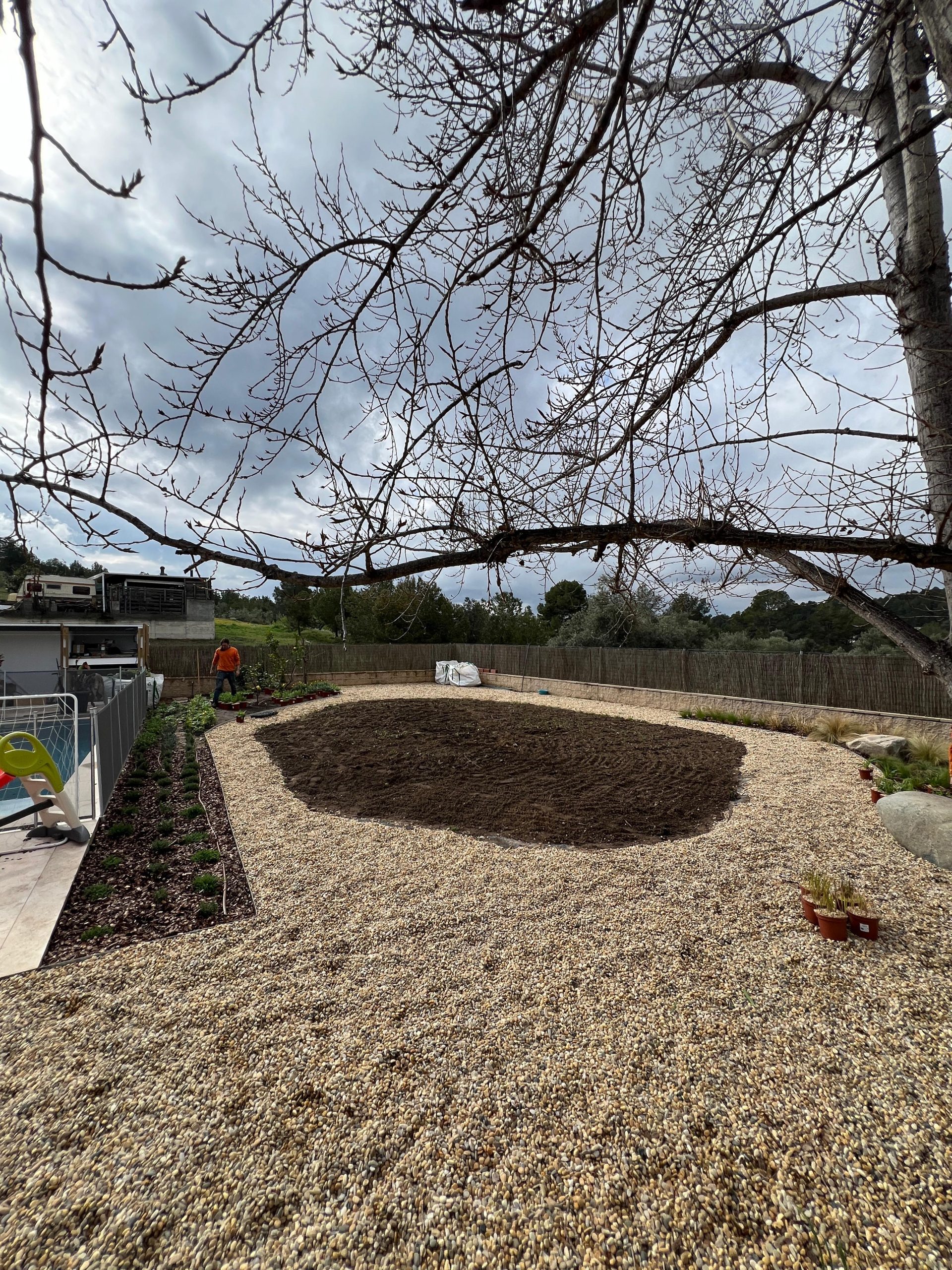
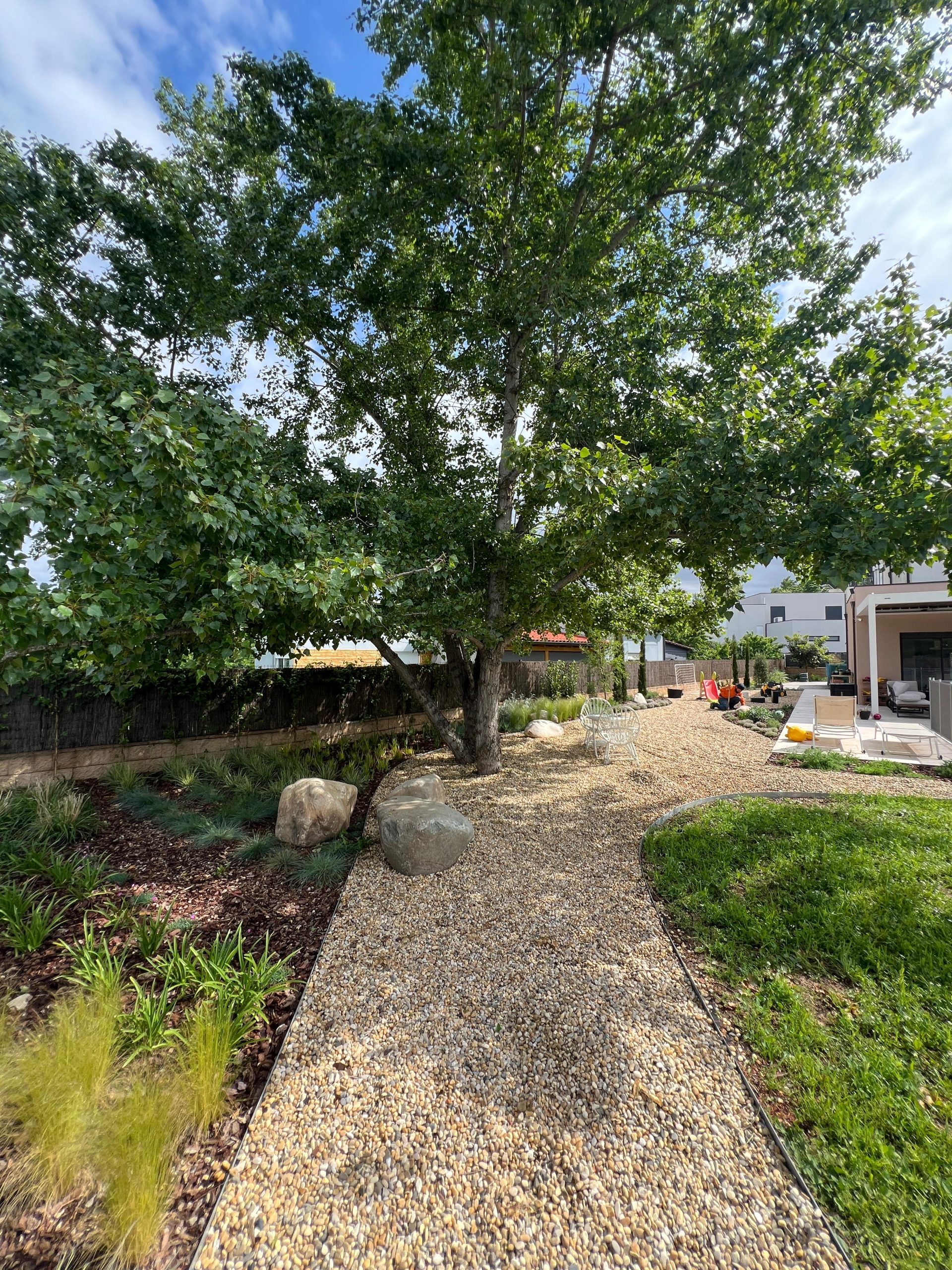
One of the guiding principles of the project has been the intentional use of visual control. Floor plans, paths and structural elements have been arranged to subtly direct the visitor’s gaze, highlighting specific perspectives and giving depth to the whole. This strategy has allowed the space to be organized into successive scenes that invite contemplation, offering a leisurely and aesthetically coherent experience.
Roads and traffic
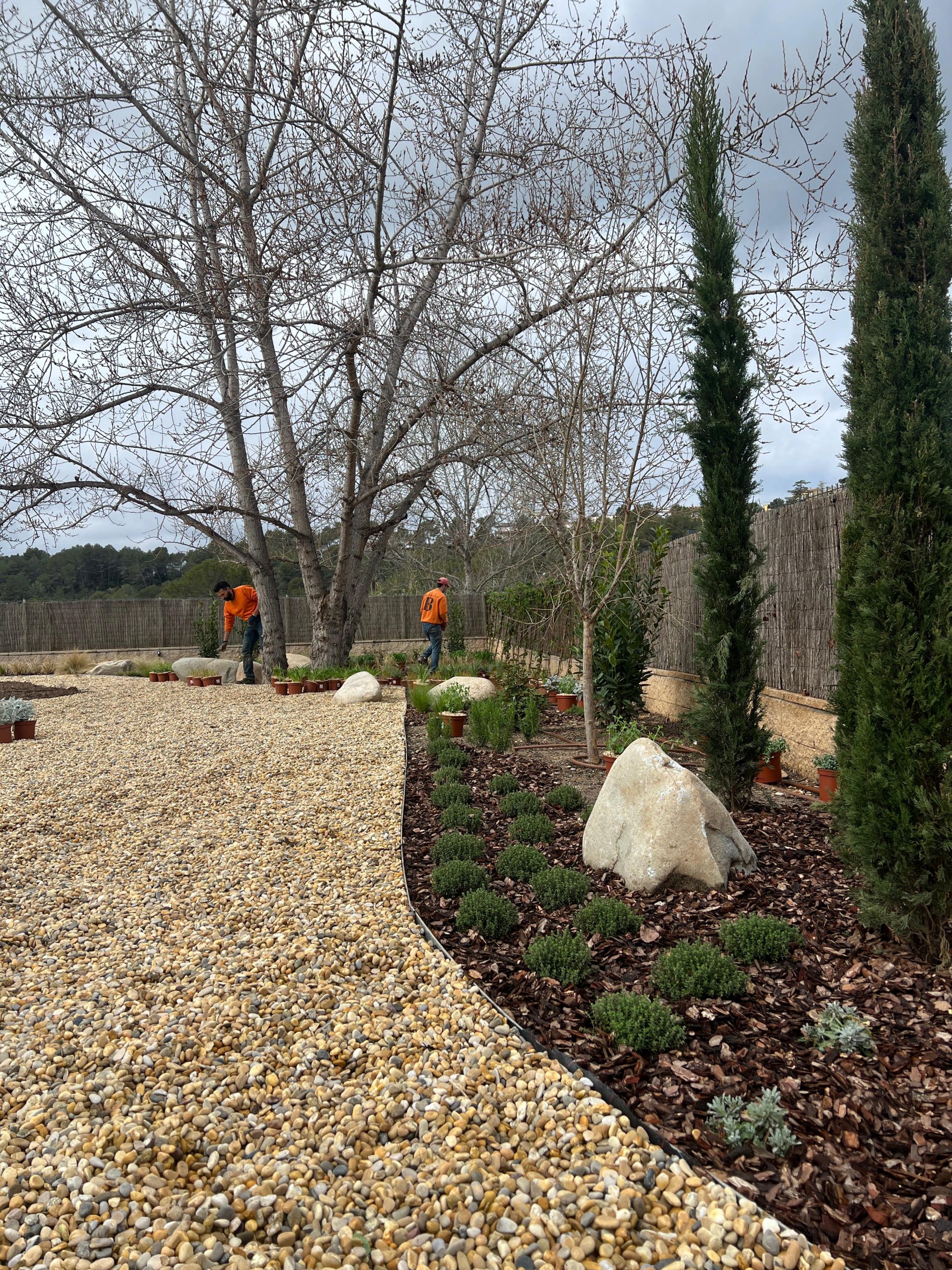
The interior paths have been designed to encourage a natural and exploratory journey. The use of porous and organic materials integrates with the surroundings and reduces environmental impact. These routes wind through planting areas, creating micro-spaces for reflection and sensory interaction.
Native vegetation and dry gardening
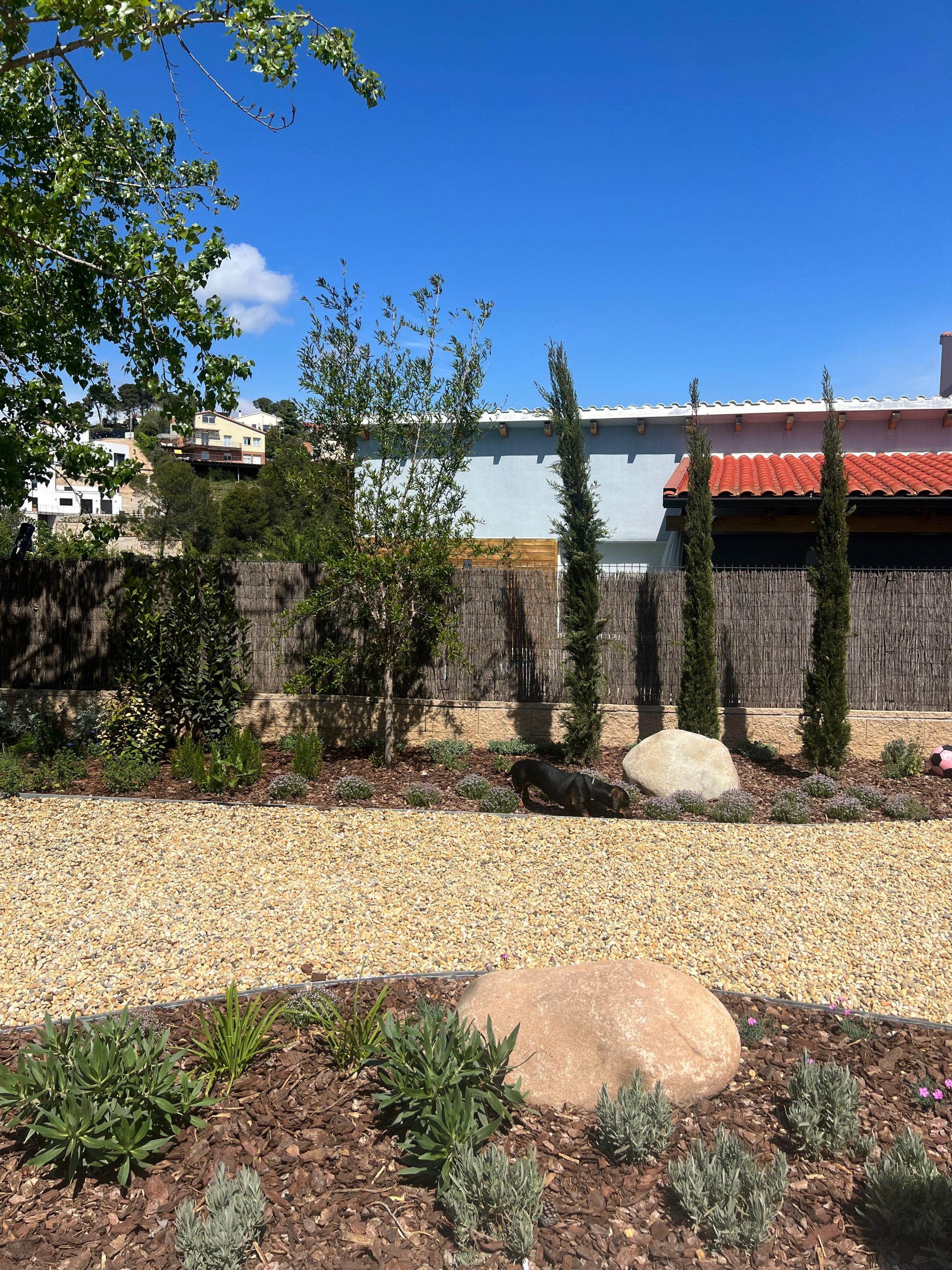
The project is strongly committed to dry gardening, based on native plants that, in addition to requiring little watering and maintenance, are resistant to Mediterranean climatic conditions. This plant selection allows for a natural adaptation to drought and favors the presence of pollinating insects and local birds, increasing biodiversity.
Species such as Rosmarinus officinalis (rosemary), Lavandula latifolia (lavender), Santolina chamaecyparissus (yellow chamomile), Erigeron karvinskianus (maroon daisy) and ornamental grasses provide texture, aroma, color and movement, reinforcing the emotional dimension of the garden.
CONSTRUCTIVE INTERVENTIONS
Irrigation houses and landscape integration
Two sheds have been built to manage the irrigation system, fully integrated into the environment through the use of treated pine wood flooring. This cladding not only provides a warm and natural aesthetic, but also ensures optimal protection against the elements.
The construction has included the manufacture of five gates with the same finish, generating visual uniformity and improving integration with the rest of the landscape design. In addition, these structural elements function as reference points within the route, without breaking the overall harmony of the whole.
SUSTAINABILITY AND RESILIENCE
The garden has been conceived from the beginning as a self-sufficient ecosystem, where each element has a clear ecological function. The exclusive use of native plants eliminates the need for chemical fertilizers and pesticides, promoting responsible and sustainable gardening practices.
Irrigation systems have been optimized to minimize water consumption, applying drip irrigation only in necessary areas and during specific periods. The combination with organic mulching and plant cover techniques reduces evaporation and improves soil health.
CONNECTION WITH THE HUMAN ENVIRONMENT
The essence of the project is not only found in its landscape configuration, but also in its capacity to generate well-being. The space has been designed as a garden to be lived in: to walk, rest, contemplate and reconnect with the slow rhythms of nature. The humanization of gardens is manifested here not only as a formal matter, but as a social and therapeutic value.
Results and value added
The Viladecavalls garden represents a clear example of how contemporary landscaping can offer efficient, aesthetic and sustainable solutions to current urban and environmental challenges. This project:
-
It has generated a space of high environmental quality.
-
It has reduced the water footprint compared to traditional gardening systems.
-
It has increased the biodiversity and ecological value of the area.
-
It has promoted the mental health and well-being of users through direct contact with nature.
CONCLUSIONS
This project consolidates a line of work based on the integration between landscape, sustainability and human well-being. The Viladecavalls garden is not just a green space: it is a living experience that invites contemplation, respect for the environment and an emotional connection with the territory. A demonstration of how modern gardening can be both functional and poetic.
Collaborators and Execution
PROJECT: Menhir
EXECUTION: Babilon Gardening.
MATERIAL: Digebis – Garden Heather
PLANTER: Sala Graupere – Arribas Center
Related projects




Contact form


